When operations involve high temperatures and constant pressure, choosing the right material is not just important—it is essential. ASME SA387 Alloy Steel Grade 12 Class plates are designed to perform in such demanding environments. Known for their strength, heat resistance, and durability, these plates are widely used in industries where performance and safety go hand in hand. Their reliability makes them a preferred choice for critical engineering applications.
Body
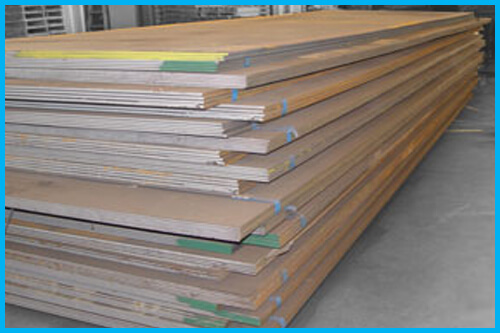
ASME SA387 Grade 12 Class plates are chromium-molybdenum alloy steel plates developed for elevated temperature service. Chromium improves resistance to oxidation and corrosion, while molybdenum enhances strength under high-temperature conditions. This combination allows the material to perform efficiently in pressure vessels, boilers, and heat exchangers.
These plates are manufactured in accordance with strict ASME standards to ensure consistent quality and dependable performance. They are available in different classes, mainly Class 1 and Class 2, each offering specific mechanical properties. Class 2 plates provide higher tensile strength and are typically used in more demanding applications, while Class 1 plates are suitable for standard conditions.
One of the key benefits of Grade 12 plates is their ability to maintain structural stability even when exposed to prolonged heat and pressure. This helps reduce the risk of material failure and ensures smooth and safe industrial operations.
Key Features
ASME SA387 Grade 12 Class plates are known for their strong performance:
- High Temperature Resistance: Suitable for elevated heat conditions
- Excellent Strength: Maintains mechanical properties under pressure
- Corrosion Resistance: Chromium content improves durability
- Enhanced Toughness: Performs well in demanding environments
- Good Weldability: Can be fabricated with proper techniques
These features make them a reliable material for critical industrial use.
Types
ASME SA387 Grade 12 Class plates are available in different variations:
- Class 1 Plates: Standard strength for general applications
- Class 2 Plates: Higher tensile strength for more demanding conditions
- Normalized Plates: Heat-treated for improved toughness
- Quenched and Tempered Plates: Enhanced strength and durability
This variety allows industries to choose the most suitable option based on their requirements.
Applications
Due to their ability to withstand heat and pressure, these plates are widely used in:
- Pressure Vessels: Storage and processing units
- Boilers: High-temperature steam systems
- Oil & Gas Industry: Refineries and processing plants
- Petrochemical Sector: Reactors and heat exchangers
- Power Generation: Equipment used in thermal power plants
Their reliability makes them essential for operations where safety is critical.
Conclusion
ASME SA387 Alloy Steel Grade 12 Class plates offer a dependable solution for industries that demand strength, durability, and resistance to extreme conditions. Their consistent performance and long service life make them a valuable choice for critical applications.
By selecting the right class and specification, businesses can ensure efficient operations, reduced maintenance, and long-term reliability in challenging industrial environments.